
CELEBRITY
Taylor Swift spotted arguing with her fitness trainer in LA parking lot after he touched her inappropriately

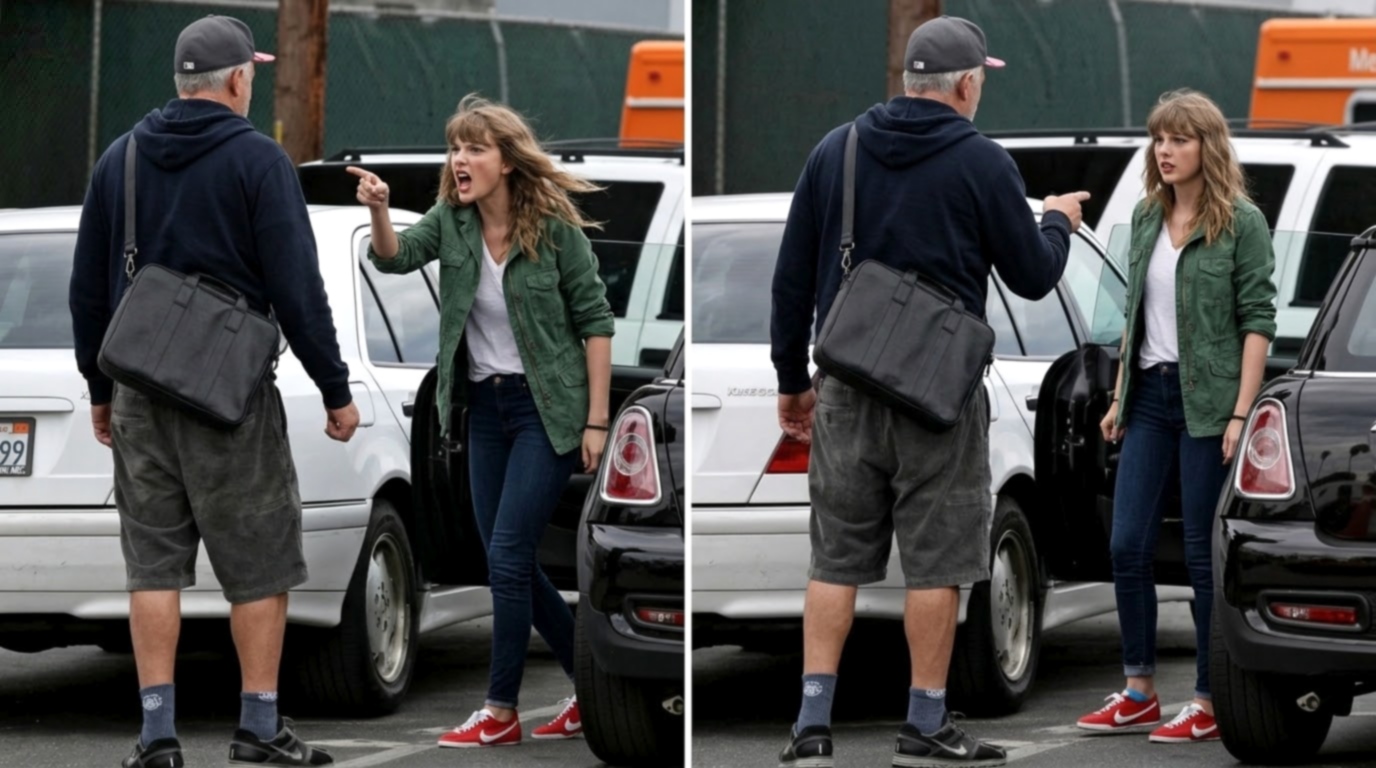
Taylor Swift Spotted Arguing With Her Fitness Trainer in an LA Parking Lot After He Allegedly Touched Her Inappropriately
Taylor Swift is no stranger to public attention, but an alleged confrontation in a Los Angeles parking lot has sparked questions about personal boundaries, trust, and what might happen when a private disagreement unexpectedly becomes a public talking point.
The pop superstar has spent years navigating intense public scrutiny, with fans closely following everything from her music career to her personal life. However, any suggestion of an uncomfortable encounter deserves careful attention rather than immediate assumptions about what happened.
According to the headline, Taylor was reportedly seen arguing with her fitness trainer after an alleged incident involving inappropriate touching. If such an encounter occurred, the situation would raise important questions about professional boundaries and the need for everyone to feel safe.
A parking lot might seem like an ordinary place for a brief conversation, but a disagreement between a celebrity and someone she trusts professionally could quickly attract attention. Even a private exchange can become a major talking point when famous people are involved.
Taylor has built a reputation as a determined performer who takes her career seriously. Maintaining the physical demands of touring, recording, and performing can require a team of professionals, making mutual respect and clear communication essential in every working relationship.
Fitness trainers often work closely with their clients, helping them maintain strength, flexibility, and stamina. That professional closeness, however, does not remove the importance of consent. Every client deserves to have their personal space respected throughout every training session.
If a trainer crosses a personal boundary, a client has every right to express discomfort, object to the behavior, and establish clear limits. No professional relationship should require someone to tolerate unwanted contact simply to avoid an uncomfortable conversation.
The alleged parking lot disagreement has therefore become a subject that calls for sensitivity. Without independently verified details, it would be unfair to conclude exactly what happened, what was said, or whether the trainer deliberately crossed a boundary.
For Taylor’s fans, the possibility of an uncomfortable experience involving someone in her professional circle could naturally prompt concern. Supporters may want to know whether she felt safe, whether the disagreement was resolved, and whether anyone else witnessed the exchange.
Still, the distinction between an allegation and a confirmed event matters. A dramatic headline can quickly encourage speculation, but responsible reporting requires reliable evidence before presenting an accusation as established fact or assigning blame to a particular individual.
If photographs or videos of the alleged encounter exist, their context would be important. A brief clip showing two people arguing cannot, by itself, establish what happened beforehand, what caused the disagreement, or whether inappropriate contact took place.
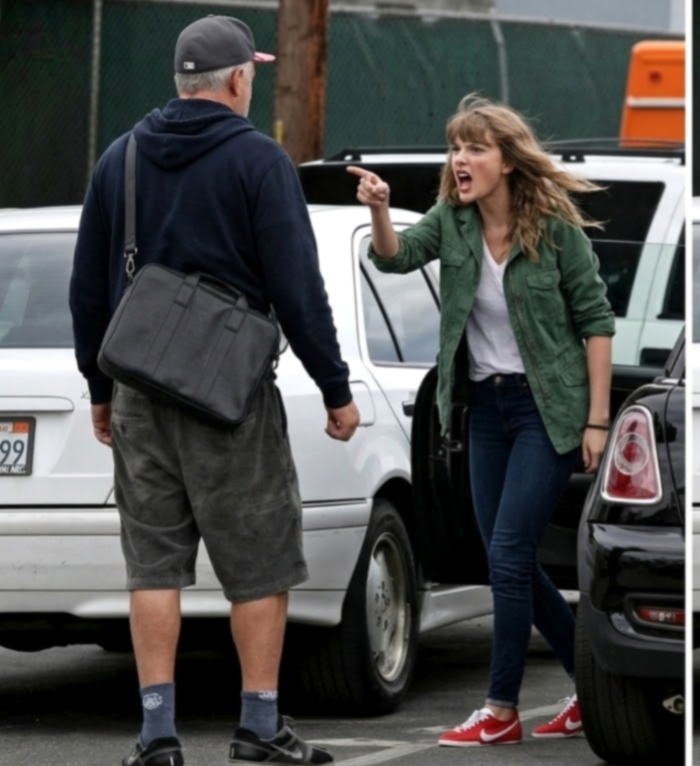
The same caution applies to body language. Raised voices, serious expressions, or frustrated gestures may suggest tension, but they cannot independently explain the reason for a confrontation. Additional verified information would be needed to understand the situation accurately.
For someone whose movements are frequently photographed, privacy can be difficult to maintain. Even ordinary errands and professional appointments can attract unwanted attention, leaving celebrities with limited opportunities to address personal matters away from public discussion.
Taylor’s demanding schedule also makes trusted professional relationships important. Whether preparing for performances or maintaining a fitness routine, she deserves to work with people who respect her choices, communicate appropriately, and understand that professional access never means unlimited personal access.
If the alleged disagreement involved unwanted touching, the central issue would not be celebrity gossip. It would be consent, accountability, and the importance of taking someone’s concerns seriously without dismissing them or rushing to conclusions before the facts are established.
The trainer’s perspective, if available through a reliable source, could also help clarify the circumstances. Fair reporting means examining credible information carefully rather than relying on anonymous speculation, edited footage, or online comments that may exaggerate an uncertain situation.
Fans discussing the headline should remember that public attention can affect everyone involved. Sharing unverified accusations as proven facts can cause harm, while refusing to acknowledge legitimate concerns can also discourage people from speaking openly about personal boundaries.
The most important question is whether reliable evidence supports the reported encounter and what that evidence actually shows. Until more details are confirmed, the circumstances surrounding the alleged confrontation should remain a matter of careful investigation rather than online certainty.
For now, the headline presents a troubling allegation, but it does not establish that inappropriate touching occurred. Verified photographs, credible eyewitness accounts, or statements from the people involved would be necessary to provide a clearer picture of the situation.
Ultimately, everyone deserves respect, whether they are an international superstar or someone working outside the public eye. Professional relationships depend on trust, clear boundaries, and consent, and those principles should remain important regardless of a person’s fame or influence.
If the reported confrontation is confirmed, further details may explain what led to the disagreement and how the situation was handled. Until then, the responsible approach is to prioritize personal safety, respect privacy, and avoid treating an unverified allegation as a proven fact.






Taylor Swift, Kim Kardashian and Scooter Braun Turn Heads as They Enjoy a Shocking Public Truce in LA in New Never-Before-Seen Photos

Eagles QB Jalen Hurts and Wife Bry Burrows Melt Hearts With a Pregnancy and Gender Reveal for Baby No. 1 Following His Blood Clot Diagnosis, as He Prepares to Miss Sunday’s Game Against the Panthers and the Deeply Private Couple Shares Another Shocking Announcement Fans Never Expected

Taylor Swift spotted arguing with her fitness trainer in LA parking lot after he touched her inappropriately

Jalen Hurts’ Wife Bry Burrows Breaks Eagles Protocol by Rushing to the Philadelphia Eagles’ Team Facility in Worry After the Team Announces His “Superficial Blood Clot” Diagnosis, but Fans Notice Something Shocking About Her That Has Everyone Talking

Taylor Swift and Husband Travis Kelce Join Patrick and Brittany Mahomes for a Double Date Night in NYC Before a Shocking Double Pregnancy and Gender Reveal, as Travis and Patrick’s Heartwarming Reactions Melt Hearts and Break the Internet

Taylor Swift, Brittany Mahomes, Dakota Johnson, and Blake Lively Turn Heads as They Enjoy a Girls’ Night Out in NYC in New Photos

Travis Kelce Hilariously Reacts After Watching Wife Taylor Swift’s Toilet Scene in the “Patient Zero” Music Video, and He Can’t Hide His Funny Reaction After Seeing Her Butt… See the Full Hilarious Behind the Scenes Clip

Patrick and Brittany Mahomes Steal the Spotlight Alongside Their Kids Sterling, Bronze, and Golden in a Heartwarming Pregnancy and Gender Reveal for Baby No. 4, but It’s the Kids’ Adorable Reactions and the Sweet Names They Choose for Their New Sibling That Melt Fans’ Hearts

Vogue Has Finally Dropped the First Official Glimpse at Taylor Swift and Travis Kelce’s Majestic MSG Wedding Photos for the 2026 Cover, Breaking the Internet Few Hours After it’s Release and After Intense Online Pressure Forced the Singer to Share the Never-Before-Seen Pictures

Taylor Swift, Travis Kelce, Patrick Mahomes and Brittany Mahomes Turn Heads as the Two Power Couples Share a Rare Grocery Store Moment in Kansas City Following Taylor and Travis’s Shocking Announcement… See the Sweet Photos and Never-Before-Seen Moments

Taylor Swift and Husband Travis Kelce Steal the Spotlight in New Teaser Video as Taylor Returns for Her Second Appearance on New Heights for a Special Episode Featuring an Exciting Cooking Competition Between the Couple
