
NEWS
Washington National Opera Announces Exit From the Kennedy Center After 55 Years – As Obama Reacts and Floats a New Arts Center, Trump’s Response Sparks National Uproar

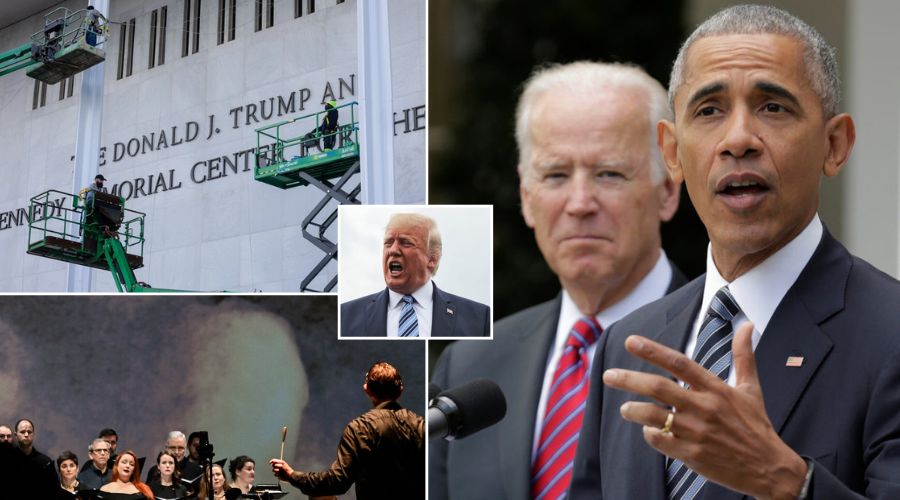
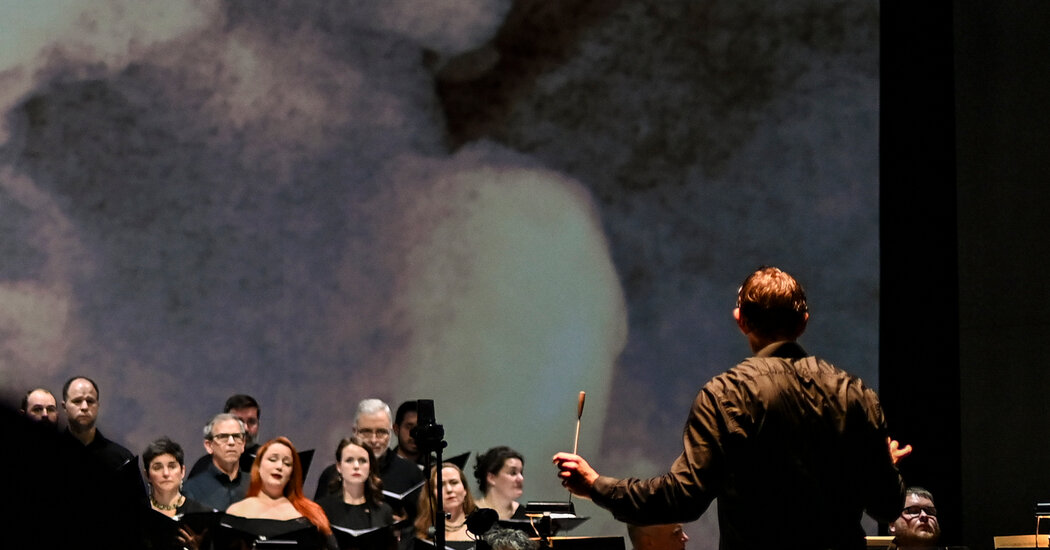
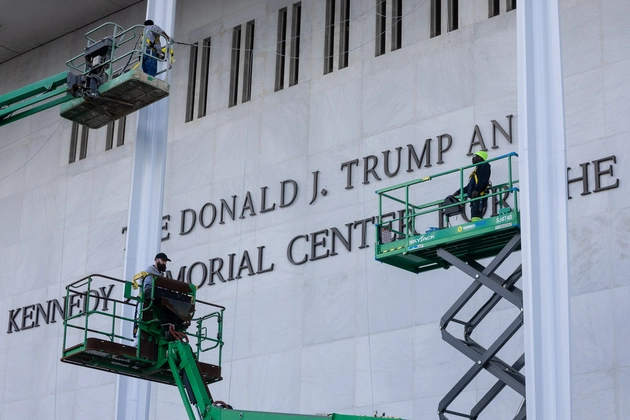
The Washington National Opera has announced a historic and emotional decision: after 55 years at the John F. Kennedy Center for the Performing Arts, the company is preparing to leave the institution it has called home since the early 1970s. The move marks the end of one of the longest and most significant artistic partnerships in American cultural history and has sent shockwaves through the performing arts world.
Founded in 1956, the Washington National Opera became a resident company of the Kennedy Center shortly after the venue opened, helping define its identity as a premier destination for classical music and opera in the United States. Over the decades, the opera staged acclaimed productions, nurtured emerging talent, and drew audiences from across the country. Its presence was not just symbolic; it was foundational to the Kennedy Center’s reputation as a national cultural landmark.
According to the company’s leadership, the decision to leave did not come lightly. In recent months, the opera has faced mounting challenges tied to declining ticket sales, donor hesitation, and growing uncertainty surrounding the Kennedy Center’s direction. Board members ultimately voted to seek independence, ending the long-standing affiliation agreement and setting the stage for a new chapter outside the Center’s walls.
The announcement immediately ignited intense public debate, particularly as it unfolded against the backdrop of political controversy surrounding the Kennedy Center’s leadership. Many artists and patrons viewed the opera’s departure as a warning sign, signaling deeper instability within one of America’s most revered cultural institutions. For supporters of the opera, the move felt less like a relocation and more like a cultural rupture.
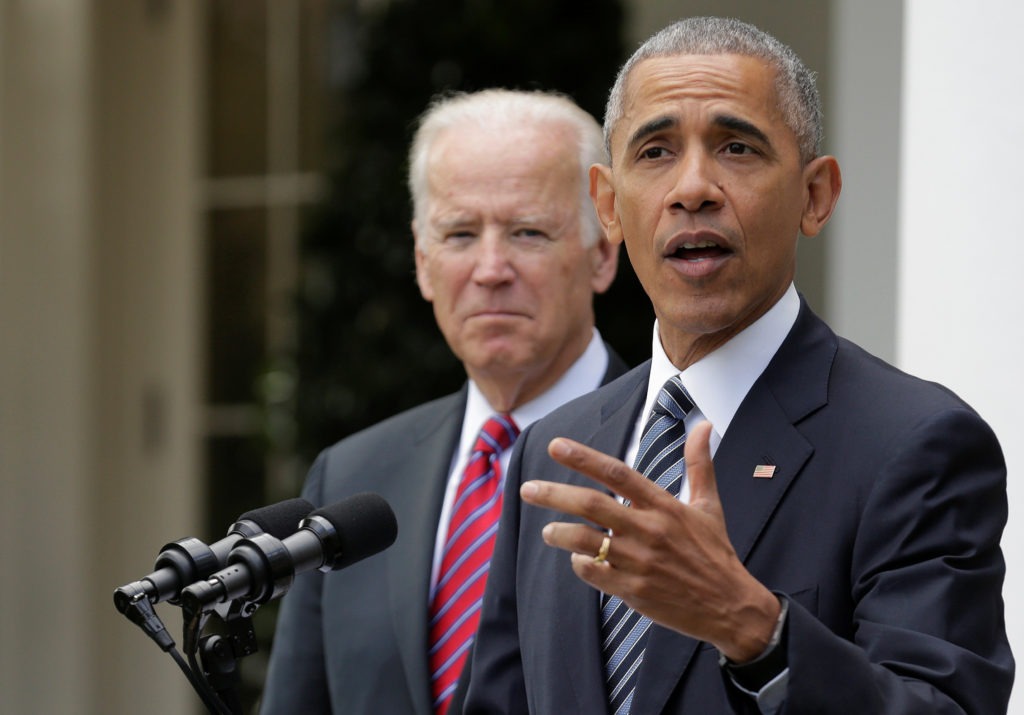
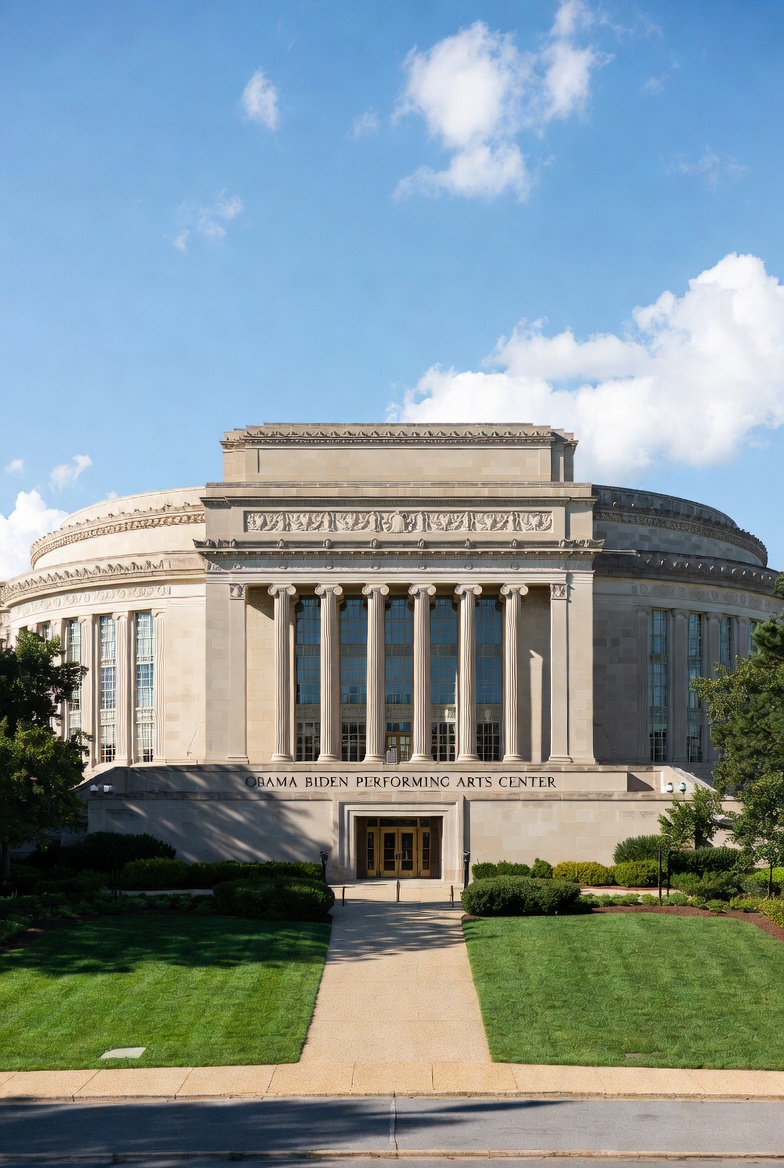
As the news spread, former President Barack Obama weighed in, framing the moment as both a loss and an opportunity. Obama reportedly welcomed discussions about creating a new, modern performing arts center that could serve as an inclusive home for displaced artists and institutions. The idea of an “Obama Biden Performing Arts Center” quickly gained traction in artistic circles, with several performers and cultural advocates expressing interest in supporting or performing at such a venue.
For many artists, the proposal represented more than a building. It symbolized stability, creative freedom, and a reclaiming of cultural space at a time when arts organizations feel increasingly vulnerable to political and financial turbulence. Supporters argued that the arts have always thrived when shielded from chaos and driven by community rather than controversy.
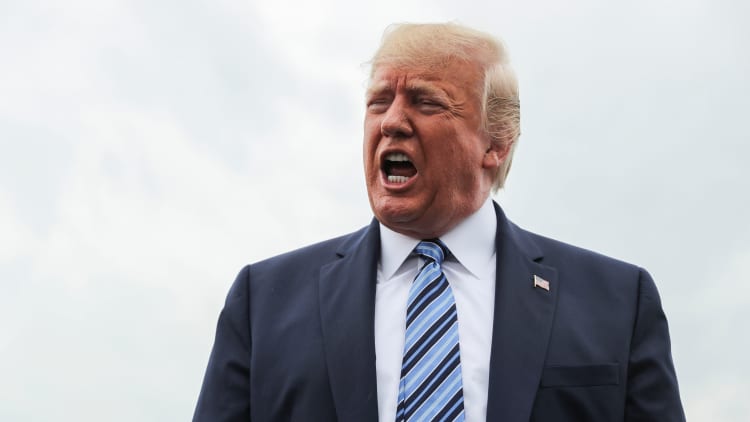
Donald Trump’s reaction, however, ensured the story would not remain confined to the arts world. His response to both the Washington National Opera’s departure and Obama’s remarks was swift and confrontational, drawing sharp criticism and widespread attention. What stood out most was not the length or detail of Trump’s comments, but a brief, furious five-word response aimed at the idea of a new Obama-associated arts center — a reaction that many Americans described as juvenile, dismissive, and unnecessarily hostile.
The backlash was immediate. Critics accused Trump of trivializing a serious cultural issue and turning a historic moment for American opera into a personal feud. Supporters, meanwhile, framed his response as typical bluntness. Regardless of political alignment, the exchange pulled the Washington National Opera’s decision into the center of a much larger national conversation about leadership, legacy, and the future of American cultural institutions.
Behind the noise, the opera itself now faces the practical realities of reinvention. Leadership has acknowledged that leaving the Kennedy Center carries risks, including the challenge of securing a suitable venue and rebuilding audience trust. Yet there is also cautious optimism that independence could allow the company to redefine its mission and reconnect with supporters who feel alienated by recent turmoil.
As negotiations continue and plans take shape, one thing is clear: the Washington National Opera’s exit is not just the end of a residency. It is a moment that exposes the fragile intersection of art, politics, and public trust. What happens next — whether through a new home, a new center, or a reimagined future — may reshape the cultural landscape of Washington for decades to come.






Rep. Delia Ramirez to Kristi Noem: “Your Department Is Out of Control, and You Are Not Fit to Hold Office” – New Footage of Renee Nicole Good’s Final Moments Sparks National Outrage

Trump’s “Gasception” Moment at Oil and Gas Conference Sparks Viral Reactions and Insider Revelations

New Footage From ICE Agent Shows Final Moments of Renee Nicole Good’s Death in Minneapolis – Sparks Outrage and Questions Over Use of Force

Washington National Opera Announces Exit From the Kennedy Center After 55 Years – As Obama Reacts and Floats a New Arts Center, Trump’s Response Sparks National Uproar
Patrick Mahomes Breaks His Silence as Chilling New ICE Footage Emerges – And the NFL’s Stunning Response Sparks a National Firestorm

Stephen Colbert on the ICE murder of Renee Good: “The message from this administration is clear. Only they determine the truth

Stunning new footage shot by ICE agent who killed Renee Nicole Good shows what REALLY happened, and all the lies have been EXPOSED

A Minneapolis native who visited the protest site near the ICE shooting just gave one of the most clear-eyed, unsettling accounts of what’s actually happening on the ground — and why she believes this tragedy was entirely preventable

New Video Shows Front of Good’s Vehicle — Undercuts ICE Self-Defense Claim

Taylor Swift BREAKS DOWN in Tears After Watching the News With Fiancé Travis Kelce as VP JD Vance Defends the ICE Agent Who Shot a Woman in Minneapolis, Invokes “Absolute Immunity” — But What Comes Next Is What Has America Holding Its Breath

BREAKING: ICE Agent Shoots and Kills Woman in Broad Daylight in Minneapolis — Reports Say Agents Blocked Doctor and Ambulance as Mayor Explodes, Trump Blames Others, Shocking Video Surfaces, and Identities Are Finally Revealed
