
NEWS
JD Vance Goes FULL PANIC after Accidentally Liking Newly Shared Photo of Trump, Pete Hegseth, Kristi Noem, Kash Patel and Pam Bondi


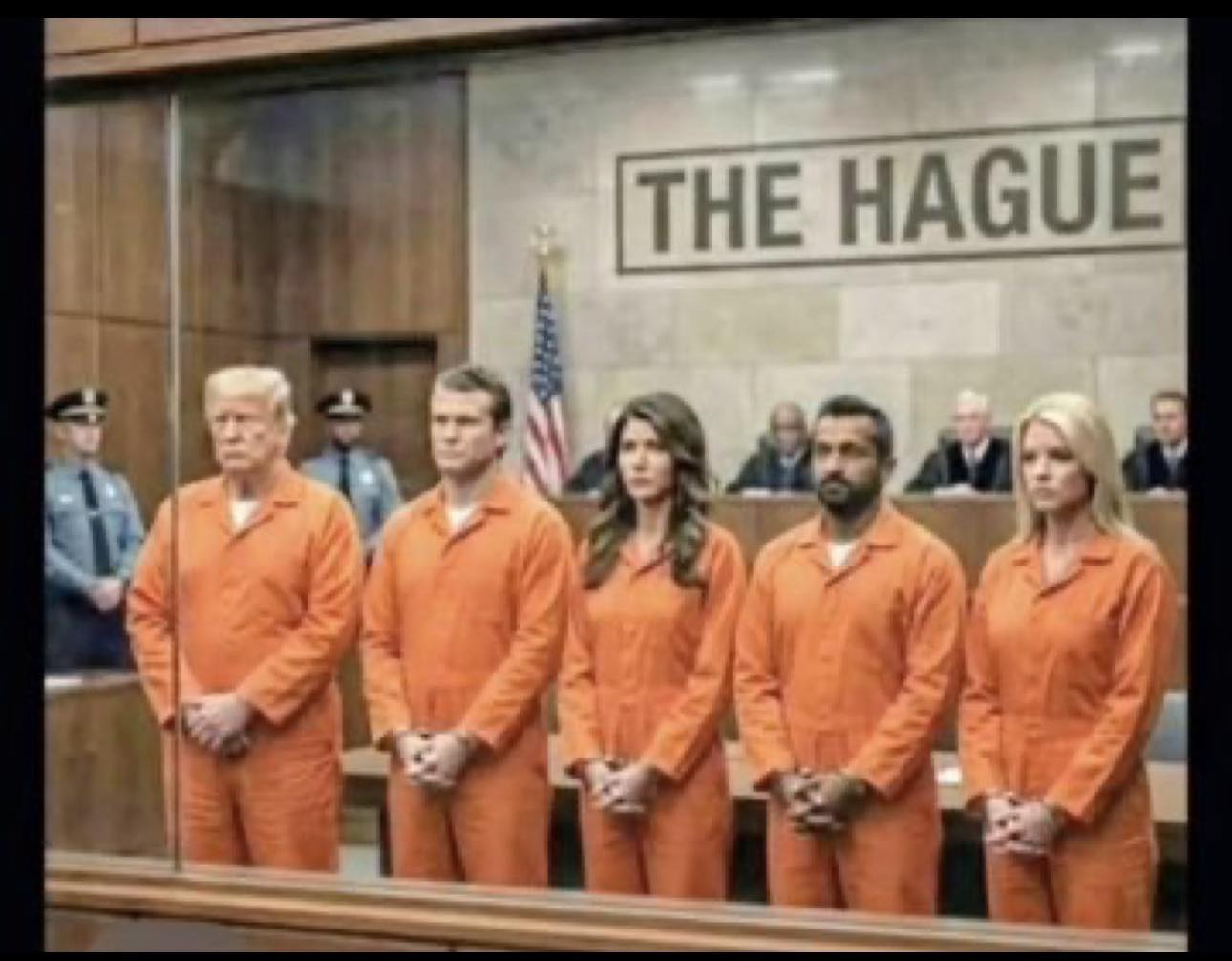
It lasted only seconds, but in today’s political climate, seconds are enough to ignite a firestorm. A newly shared image showing Donald Trump alongside Pete Hegseth, Kristi Noem, Kash Patel, and Pam Bondi in a courtroom setting began circulating online late last night. Moments later, eagle-eyed users noticed something that instantly set social media buzzing. JD Vance’s account had liked the post.
Then, just as quickly, the like vanished.
But the damage was already done.
Screenshots began spreading at lightning speed, accompanied by speculation, questions, and a growing sense that something had gone very wrong behind the scenes. Supporters and critics alike froze on the same thought. Was the like accidental, or was it a glimpse into private fears being revealed in public?
The image itself was striking. Carefully framed, stark in tone, and loaded with symbolism, it showed some of the most powerful and controversial figures in modern conservative politics positioned in a courtroom context. Whether symbolic or edited, the visual carried weight, and people knew it. Within minutes, timelines filled with theories about what the image represented and why it was resonating so deeply.
Then came the silence.
JD Vance did not comment. No clarification. No explanation. But sources familiar with digital strategy circles say that behind the scenes, the reaction was anything but calm. Accounts were reportedly locked down, notifications muted, and staff scrambled to understand how the interaction happened and how quickly it could be contained.
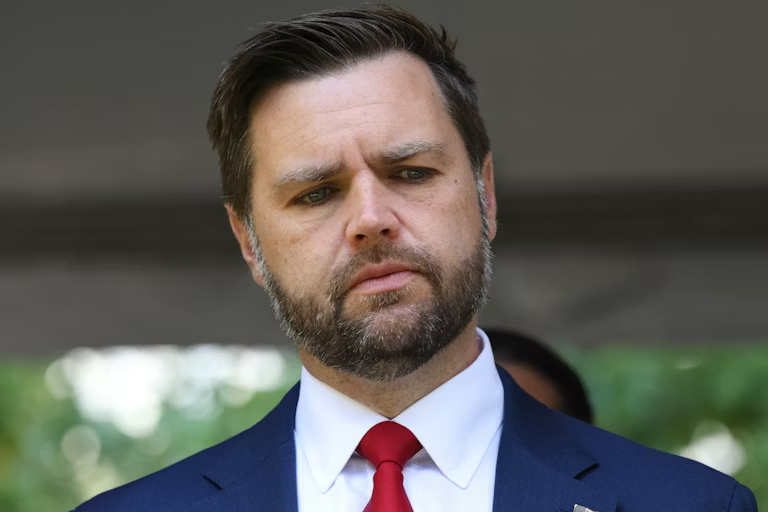
Online, the narrative took on a life of its own.
Some interpreted the like as a slip, a moment where internal anxiety surfaced publicly. Others believed it signaled concern about growing legal and political pressure surrounding Trump and his inner circle. Critics framed it as panic. Supporters called it meaningless. But even among allies, there was an unspoken tension. If it meant nothing, why remove it so fast?
The timing only intensified the scrutiny. The image appeared amid rising speculation, mounting investigations, and an already charged political atmosphere. Any interaction involving Trump now carries outsized significance, and the inclusion of figures like Kristi Noem, Kash Patel, and Pam Bondi only added fuel to the fire.
What unsettled many observers was not just the like itself, but the reaction to it. Within minutes, posts referencing the incident were reportedly being flagged, buried, or drowned out by unrelated content. The digital noise felt intentional, as if an effort was underway to move attention elsewhere before the moment could harden into a broader narrative.
But the internet does not forget.
Archived screenshots continued circulating, accompanied by increasingly pointed commentary. Why that photo? Why that moment? And why JD Vance?
Political analysts noted that in high-pressure environments, accidental engagement can be revealing. Likes, bookmarks, and follows are often the quiet indicators of what’s being watched most closely behind closed doors. Even if unintended, they can expose the topics dominating private discussions.
As the hours passed, the absence of a statement only deepened speculation. For critics, it looked like confirmation of unease within MAGA leadership circles. For supporters, it was a reminder of how unforgiving online platforms have become. Either way, the episode exposed how fragile control over narrative truly is.
By morning, the like was gone, but the questions remained.
Was it a harmless misclick, or a rare glimpse into mounting concern at the top? Was the image dismissed internally as bait, or did it strike closer to home than anyone expected? And most importantly, why did such a small digital action trigger such a rapid and coordinated response?
For now, no official explanation has emerged. But in an era where every tap is scrutinized and every second is archived, even a fleeting interaction can send shockwaves through the political world.
Sometimes, panic doesn’t arrive with a press conference. Sometimes, it appears as a like that disappears too fast.
And those are often the moments that say the most.



Travis Kelce and Taylor Swift Spotted Arriving Late at the 2026 Golden Globes in a Picture-Perfect Appearance Despite Not Being Nominated – Taylor Stuns in a Red Gown with Her Signature High-Knee Boots, but Fans Can’t Stop Talking About Travis Kelce’s Odd Outfit After 10 New Photos Drop. Yet That’s Not the Most Shocking Reveal, as the Reason Taylor Was Snubbed from All Nominations Has Finally Been Revealed

BREAKING: Trump DECLARED Himself that he’s “Acting President of Venezuela” by Posting on Truth Social, after The U.S. Senate recently passed a resolution blocking President Trump from taking any further military action in Venezuela and Greenland without Congress approval

JD Vance Goes FULL PANIC after Accidentally Liking Newly Shared Photo of Trump, Pete Hegseth, Kristi Noem, Kash Patel and Pam Bondi

After Her Death, Virginia Giuffre’s 400-Page Memoir Is Set to Expose the Hidden Truth Behind One of the World’s Darkest Scandals

EXPLOSIVE LEAK: Jack Smith’s Ironclad Evidence Virtually Guarantees Trump Behind Bars Soon? Sources Say There Is No Escape This Time as Fury and Panic Grip the MAGA Camp

BREAKING: Federal prosectors in Washington, D.C. have opened a criminal investigation into Federal Reserve chair Jerome Powell, escalating Trump’s effort to punish an independent central bank for refusing to bend to his political demands. The probe was approved by Trump stooge Jeanine Pirro, raising major alarm bells

Trump Is MELTING DOWN — Oil Companies Don’t Want Venezuela’s Oil, and Now Taxpayers May Pay the Price

The ICE Agent Jonathan Ross Who Shot and Killed Renee Good in Broad Daylight Is Forcibly Dragged Out of Hiding as New Undeniable Footage Blows the Case Wide Open While Kristi Noem and Washington Descend Into Panic

“HE HAS BEEN ARRESTED!” – The ICE Agent Who Killed Innocent Mom Renee Nichole Good Is Taken to Court as Explosive Revelations Shake America

BREAKING: Pop Icon Taylor Swift Submits Formal Petition to Congress Calling for the Dissolution of ICE, Citing the Fatal Shooting of Minneapolis Resident Renee Nicole Good and Arguing the Agency Has “Done More Harm Than Good” to American Communities, and you won’t believe Trump’s 7-words response to Taylor

Trump’s 2028 Plan Just LEAKED… It’s a Nightmare – Retaliation Threats, ICE Fallout, and a Chilling Warning From Congress That Signals What Comes Next
