
NEWS
BREAKING NEWS: It has been revealed that Jared Kushner, Ivanka Trump’s Husband bought the land in Albania from a drug trafficker linked to money laundering and a criminal network accused of human trafficking

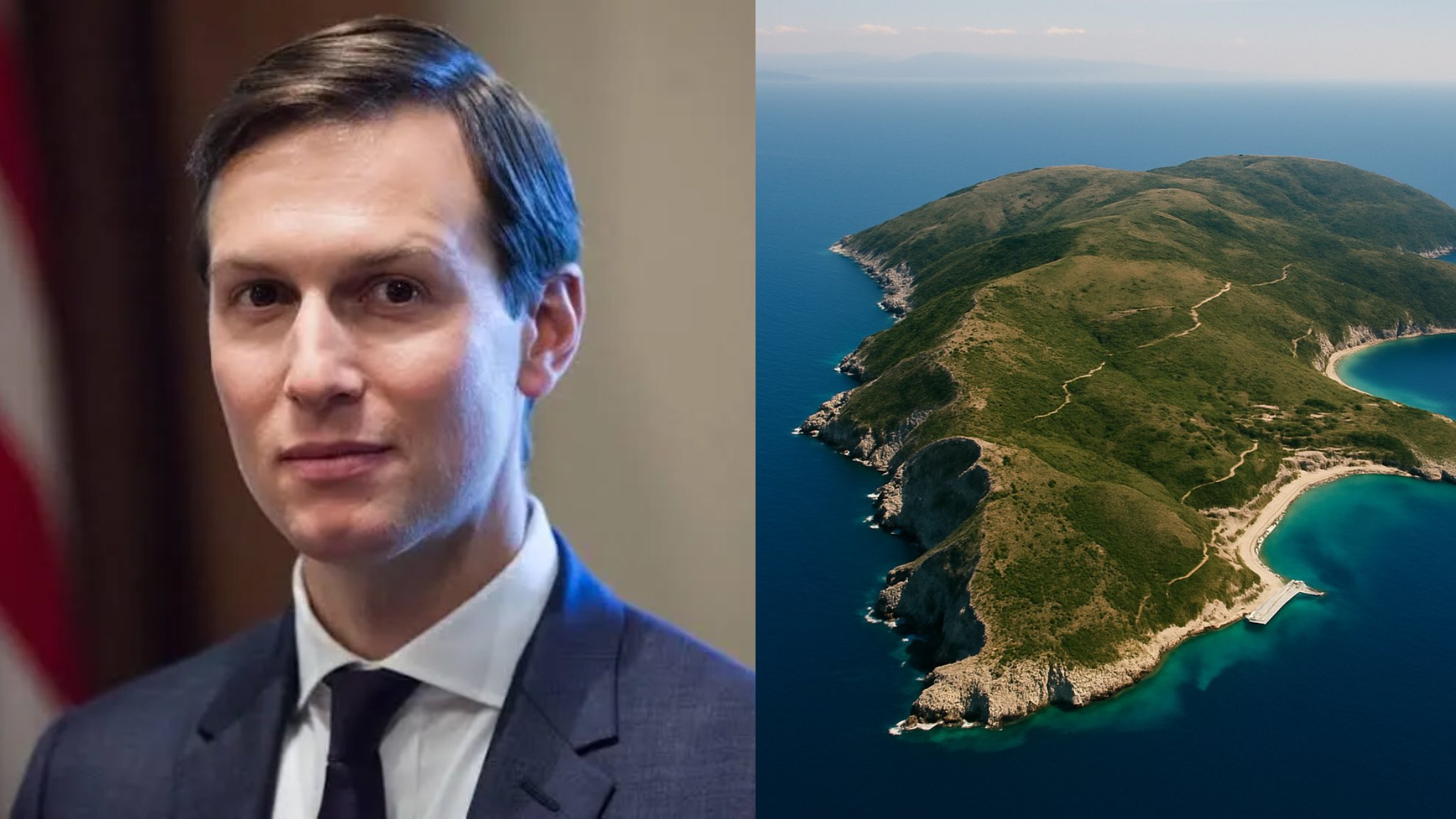
Albanian prosecutors have opened a major investigation into the man who sold prime coastal land for a luxury resort project backed by Jared Kushner, the husband of Ivanka Trump.
The seller, Artur Shehu, faces an arrest warrant on suspicion of laundering drug money and forging ownership documents, raising serious questions about the controversial transaction.
Shehu, a dual Albanian-American citizen living in Miami, sold approximately 100 hectares of coastline near Zvernec to a company linked to Kushner’s partners in April 2026.
The transaction was valued at approximately 110 million euros, but prosecutors froze the money in a notary’s account, preventing the funds from reaching Shehu.
Case files reviewed by Reuters accuse Shehu and his associates of trafficking South American cocaine into European ports and using the proceeds to build a real-estate empire.
Investigators allege that the operation involved falsified land titles, allowing properties to be acquired and incorporated into a wider network of real-estate investments.

However, no criminal charges have been brought against Kushner or the resort developers themselves.
The controversy has become even more complicated because local villagers in Zvernec claim that the same coastal properties were stolen from their families years earlier.
According to the villagers, Shehu used forged or mistranslated Ottoman-era documents to obtain ownership deeds for land their families had farmed since the fall of communism.
Their concerns were serious enough that, in 2024, they wrote directly to Kushner, warning him that the land belonged to them and urging him not to proceed.
Despite those warnings, a Kushner-backed group completed the purchase earlier this year, paying Shehu more than 120 million dollars, according to the reported transaction.

Two months after the payment, Albanian special prosecutors sought Shehu’s arrest, intensifying scrutiny of the controversial land deal.
Investigators allege that Shehu held a leadership position in an organised criminal network responsible for transporting cocaine from Latin America into Europe.
The cocaine was allegedly hidden inside shipments of charcoal, fruit and other commercial goods before reaching ports in the Netherlands and elsewhere.
Shehu’s lawyer, Kujtim Cakrani, has strongly rejected the accusations, insisting that his client is neither a drug trafficker nor a forger of property documents.
He also maintains that Shehu conducted business through intermediaries and never dealt directly with Kushner.
Meanwhile, the proposed resort development has attracted another major controversy because of its location near environmentally protected wetlands surrounding the Vjosa-Narta lagoon.
The area is home to flamingos, seals and nesting sea turtles, making the proposed development particularly sensitive among environmental organisations.
The wider project also includes nearby Sazan Island, another location that has become central to the proposed luxury tourism development.
Environmental groups and thousands of protesters have organised demonstrations under the banner of the Flamingo Revolution, demanding protection of the coastline.
Earlier this year, demonstrators filled streets in Albania’s capital, Tirana, carrying signs reading, “Albania is not for sale.”
They accused the government of changing protected-area regulations to accommodate foreign investors while overlooking local communities and environmental concerns.
Kushner first announced his vision for the development in 2024 after reportedly spotting the coastline while travelling on a yacht.
He subsequently partnered with Qatari investors from the Al-Khayyat family, who have experience developing luxury island resorts in the Maldives and Gulf region.
Together, the consortium has paid private landowners, including Shehu, more than 240 million dollars for properties surrounding the proposed development.
Transaction records reportedly show significant increases in the prices of some parcels between late 2025 and the final closing in April 2026.
Shehu’s background has also attracted attention because of earlier investigations and reports concerning his alleged criminal connections.
Previous reporting by the Organized Crime and Corruption Reporting Project described him as an underworld figure who left Albania following a deadly gunfight at his bar in Vlora in 1999.
Italian authorities previously investigated possible connections between Shehu and organised crime involving narcotics and the transportation of people by speedboat.
However, those earlier investigations did not result in a conviction, and the previous suspicions should not be confused with established criminal findings.
Shehu subsequently obtained asylum in the United States and has lived for years in a Miami Beach villa while accumulating coastal property interests in Albania.
Albania’s Special Structure Against Corruption and Organized Crime, known as SPAK, has issued warrants for Shehu and approximately twenty other individuals connected to the alleged cocaine network.
So far, United States authorities have not publicly confirmed any request to locate Shehu in Florida.
While prosecutors pursue their investigation, villagers continue fighting their own legal battle over ownership of the disputed properties.
Their lawyer says they intend to seek court orders preventing construction until the ownership disagreements are properly resolved.
The proposed development still enjoys strategic-investor status granted by the Albanian government following legislative changes in 2024 that opened previously protected coastline to luxury tourism projects.
Prime Minister Edi Rama has also publicly confirmed that discussions with Kushner’s representatives have continued.
Critics argue that the controversy demonstrates how major foreign investments can become entangled with unresolved property disputes and individuals facing serious criminal investigations.
Supporters of the development, however, argue that large-scale international investment could create employment opportunities and strengthen Albania’s tourism industry.
Kushner himself has not been accused of knowing about the allegations against Shehu when the purchase was completed.
Reuters reported finding no indication that the investors were aware of the suspicions surrounding the seller when the transaction closed.
The frozen 110 million euros remains in escrow while prosecutors investigate whether the properties were obtained through forged ownership documents and proceeds of criminal activity.
The investigation will help determine whether the money can eventually be released to Shehu or whether authorities will seek its seizure.
Meanwhile, construction plans continue attracting international attention, while opposition to the project remains strong among sections of the Albanian public.
Parts of the narrow peninsula between the sea and the lagoon remain fenced, with security present as legal and political disagreements continue.
For many Albanians, the controversy has become a major test of whether post-communist property records can be trusted and whether foreign investors should proceed with developments involving disputed land.
The outcome could influence the future of the southern Adriatic coastline and determine how similar international investment projects are handled.
Prosecutors have emphasised that their current investigation into Shehu centres on suspected drug trafficking, money laundering and document forgery.
Although older investigations involved suspicions of people-smuggling, those allegations have not been revived as formal charges in the 2026 case files.
The proposed resort itself remains ambitious, with earlier architectural renderings showing luxury hotels, private residences, a marina capable of accommodating hundreds of yachts and extensive tourism facilities.
The development could eventually accommodate thousands of hotel rooms across the coastline and Sazan Island, although environmental assessments remain ongoing.
As the legal process advances in Tirana, the money remains frozen and ownership of the disputed land continues to face serious challenges.
Both the villagers claiming ancestral ownership and the investors who have committed substantial funds are now waiting for the courts and prosecutors to determine what happens next.
For Ivanka Trump’s husband, the controversy places renewed attention on one of his most ambitious international investment proposals, even though he has not been accused of criminal wrongdoing.
The central question remains whether the disputed properties can legally become the foundation of a luxury resort or whether the ownership claims and criminal investigation will fundamentally change the project’s future.

Taylor Swift Hosts Brother-In-Law Jason Kelce’s 39th Birthday Bash at 1587 Prime in Kansas City With Family and Friends

BREAKING NEWS: It has been revealed that Jared Kushner, Ivanka Trump’s Husband bought the land in Albania from a drug trafficker linked to money laundering and a criminal network accused of human trafficking

BREAKING: Trump’s daughter Ivanka has broken her silence: “My dad used to…See more

BREAKING: Donald Trump’s son Barron has finally broken his silence: “Every night by 2am, my mom secretly used to…

Meghan Markle, 45, is looking stunning in New Look, raising big questions as she was recently spotted enjoying some quality time with a mysterious man.

Reddit Rumors about Billie Eilish Revealed

BREAKING NEWS: President Trump Faints and Is Rushed Out of the White House Following Crushing 2026 US Midterm Election Defeat, With His Condition Sadly Confirmed to Be…
