
NEWS
Trump’s 2028 Plan Just LEAKED… It’s a Nightmare – Retaliation Threats, ICE Fallout, and a Chilling Warning From Congress That Signals What Comes Next

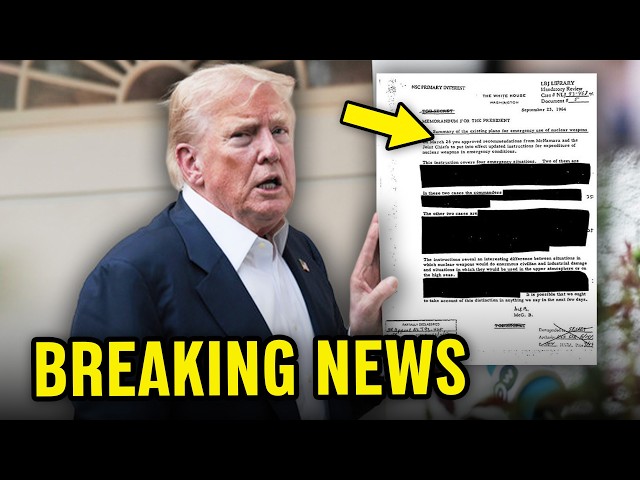
Trump’s 2028 plan just leaked, and it is already being described by insiders as a nightmare scenario for states that dare to challenge federal power. According to multiple sources familiar with internal discussions, Trump officials are openly talking about retaliation against states that move to arrest or prosecute federal agents, particularly ICE officers. With Minnesota now weighing possible charges against an ICE agent, the administration is said to be “primed to retaliate,” setting the stage for a direct and dangerous confrontation between federal authority and state law.
What began as a single incident has quickly evolved into something much larger. In Minnesota, outrage has grown over the actions of federal immigration agents, and state officials have made it clear they are not backing down. Prosecutors are examining whether the ICE agent involved crossed legal lines, and that possibility alone has triggered alarm inside Trump’s inner circle. Sources say this is being viewed not as a legal matter, but as a political threat — one that must be crushed to prevent other states from following Minnesota’s lead.
Behind closed doors, the message is blunt: if a state arrests a federal agent, there will be consequences. The details of those consequences remain murky, but the intent is unmistakable. The federal government, under Trump’s direction, would use its power to punish states seen as defiant. Legal experts warn this approach would shred long-standing principles of federalism and push the country into uncharted constitutional territory. Supporters, however, frame it as necessary to protect federal officers from what they call politically motivated prosecutions.
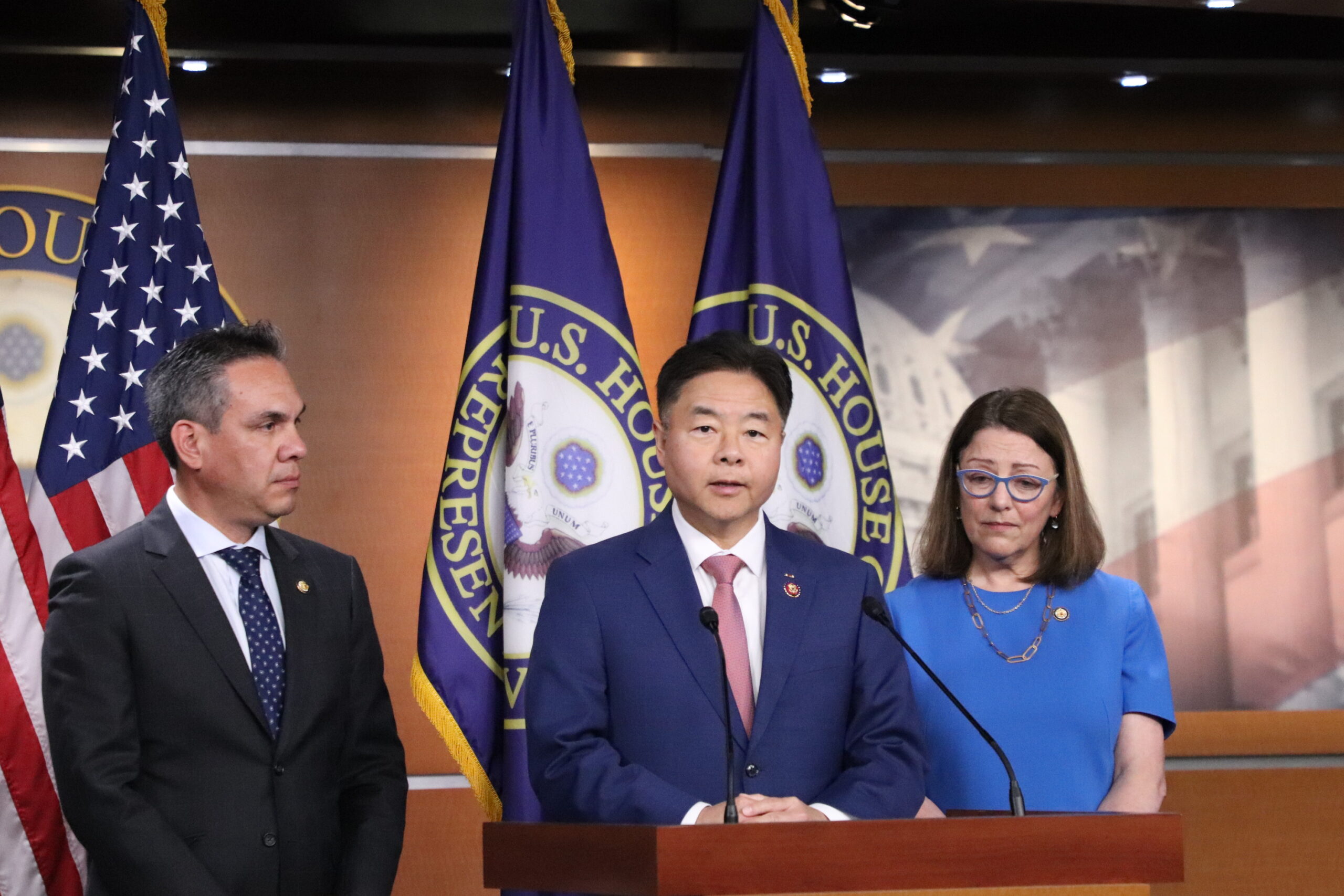
As this standoff escalates, Congress has begun to respond — not with quiet concern, but with unusually sharp language. Democratic Congressman Ted Lieu issued a stark warning that cut through the noise. He made it clear that any member of the U.S. military, from generals down to the lowest ranks, who participates in the use of force against Greenland without authorization from Congress would be following illegal orders. The statement was not theoretical. It was a direct reminder that presidential power has limits, even when wrapped in nationalist rhetoric or framed as strategic necessity.
That warning landed heavily because it followed growing anxiety over how far Trump is willing to go, both at home and abroad. Talk of military action, territorial pressure, and unilateral decisions has returned to the center of political debate. Lieu’s message was as much for the soldiers themselves as it was for Trump: obedience does not excuse illegality, and “just following orders” is not a defense.
The warning also reopened wounds from an earlier episode that many in Washington would rather forget. Lawmakers are now openly discussing consequences for soldiers who followed orders during the operation that led to the invasion of Venezuela. Punishments are being outlined, responsibilities reassessed, and lines of accountability drawn — actions that stand in sharp contrast to the silence that followed one of the most shocking moments of that crisis: the kidnapping of the Venezuelan president and his wife by military forces.

At the time, outrage was muted. Questions went unanswered. Accountability was delayed. Now, critics are pointing out the hypocrisy. For years, those same institutions hesitated, choosing restraint over confrontation. Today, however, something has shifted. Lawmakers who once spoke cautiously are now drawing hard lines. The tone has changed from debate to action.
That shift is what makes this moment so volatile. The retaliation threats tied to Minnesota, the congressional warning over Greenland, and the renewed scrutiny of Venezuela are not isolated events. Together, they paint a picture of a political system bracing itself for a future many fear is coming fast. A future where states and the federal government openly clash, where soldiers are forced to question orders, and where the boundaries of presidential power are tested in real time.
Trump’s allies insist this is strength, not chaos. His critics see something darker — a blueprint built on intimidation, silence, and punishment. With 2028 looming, the question is no longer whether these conflicts will escalate, but how far they will go, and who will be left standing when the lines finally snap.





The ICE Agent Jonathan Ross Who Shot and Killed Renee Good in Broad Daylight Is Forcibly Dragged Out of Hiding as New Undeniable Footage Blows the Case Wide Open While Kristi Noem and Washington Descend Into Panic

“HE HAS BEEN ARRESTED!” – The ICE Agent Who Killed Innocent Mom Renee Nichole Good Is Taken to Court as Explosive Revelations Shake America

BREAKING: Pop Icon Taylor Swift Submits Formal Petition to Congress Calling for the Dissolution of ICE, Citing the Fatal Shooting of Minneapolis Resident Renee Nicole Good and Arguing the Agency Has “Done More Harm Than Good” to American Communities, and you won’t believe Trump’s 7-words response to Taylor

Trump’s 2028 Plan Just LEAKED… It’s a Nightmare – Retaliation Threats, ICE Fallout, and a Chilling Warning From Congress That Signals What Comes Next

“You Will Not Take Her”: A Viral ICE Standoff That Turned One Front Door Into a Line of Moral Resistance

Rep. Delia Ramirez to Kristi Noem: “Your Department Is Out of Control, and You Are Not Fit to Hold Office” – New Footage of Renee Nicole Good’s Final Moments Sparks National Outrage

Trump’s “Gasception” Moment at Oil and Gas Conference Sparks Viral Reactions and Insider Revelations

New Footage From ICE Agent Shows Final Moments of Renee Nicole Good’s Death in Minneapolis – Sparks Outrage and Questions Over Use of Force

Washington National Opera Announces Exit From the Kennedy Center After 55 Years – As Obama Reacts and Floats a New Arts Center, Trump’s Response Sparks National Uproar
Patrick Mahomes Breaks His Silence as Chilling New ICE Footage Emerges – And the NFL’s Stunning Response Sparks a National Firestorm

Stephen Colbert on the ICE murder of Renee Good: “The message from this administration is clear. Only they determine the truth
