
NEWS
BREAKING: ICE Agent Shoots and Kills Woman in Broad Daylight in Minneapolis — Reports Say Agents Blocked Doctor and Ambulance as Mayor Explodes, Trump Blames Others, Shocking Video Surfaces, and Identities Are Finally Revealed

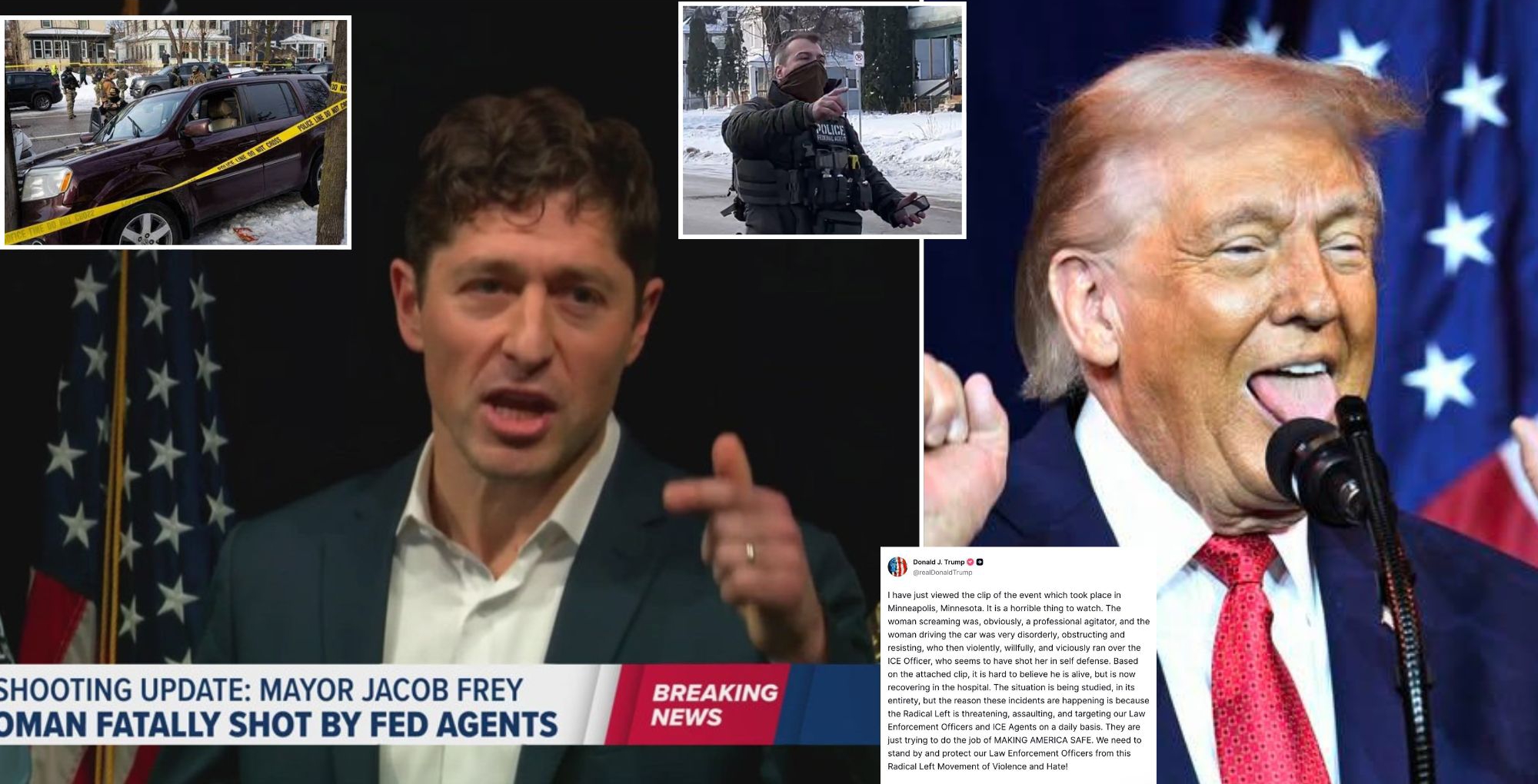
The city of Minneapolis woke up to shock, rage, and unanswered questions after Renee Nicole Good, 37, was identified as the woman shot and killed in broad daylight during an ICE operation that has now spiraled into a national political crisis.
What began as a federal immigration action quickly turned into a fatal encounter, one that is now tearing open deep divides over law enforcement power, accountability, and the price civilians are paying in the middle of America’s immigration war.
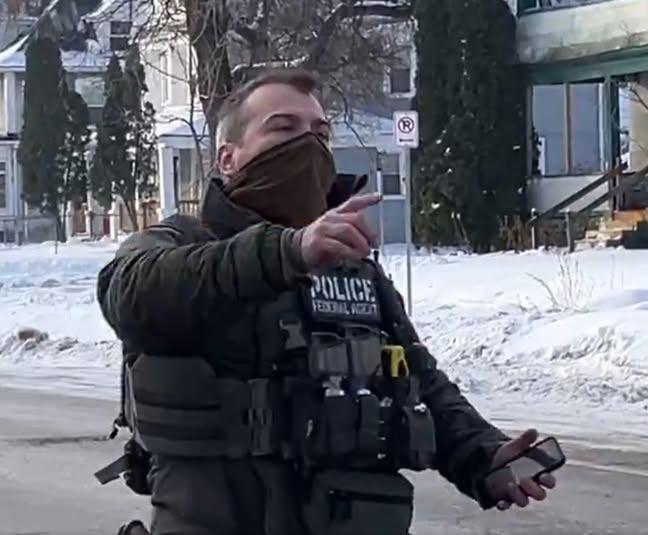
According to federal authorities, ICE agents were conducting an operation when chaos erupted. Officials claimed agents were surrounded, threatened, and placed in danger.
Within moments, a single gunshot ended Renee Good’s life. She was pronounced dead shortly after, despite frantic efforts at the scene. But almost immediately, the government’s explanation began to unravel.
Witnesses described a scene that did not resemble an attack on officers. Videos filmed by bystanders spread rapidly online, showing ICE vehicles boxing in a car, shouting, confusion, and then gunfire.
In several clips, the vehicle does not appear to be charging at high speed. Instead, it moves amid shouting agents and panicked voices, followed by the crack of a gunshot and screams of disbelief.
What the public saw clashed sharply with what officials said.
As the outrage spread, another revelation poured fuel on the fire: reports that ICE agents blocked a doctor and an ambulance from reaching Renee Good immediately after she was shot.
Whether those minutes could have changed the outcome remains unknown, but the image of federal agents standing between a dying woman and medical care became a symbol for many — a moment that crystallized public anger and grief into fury.
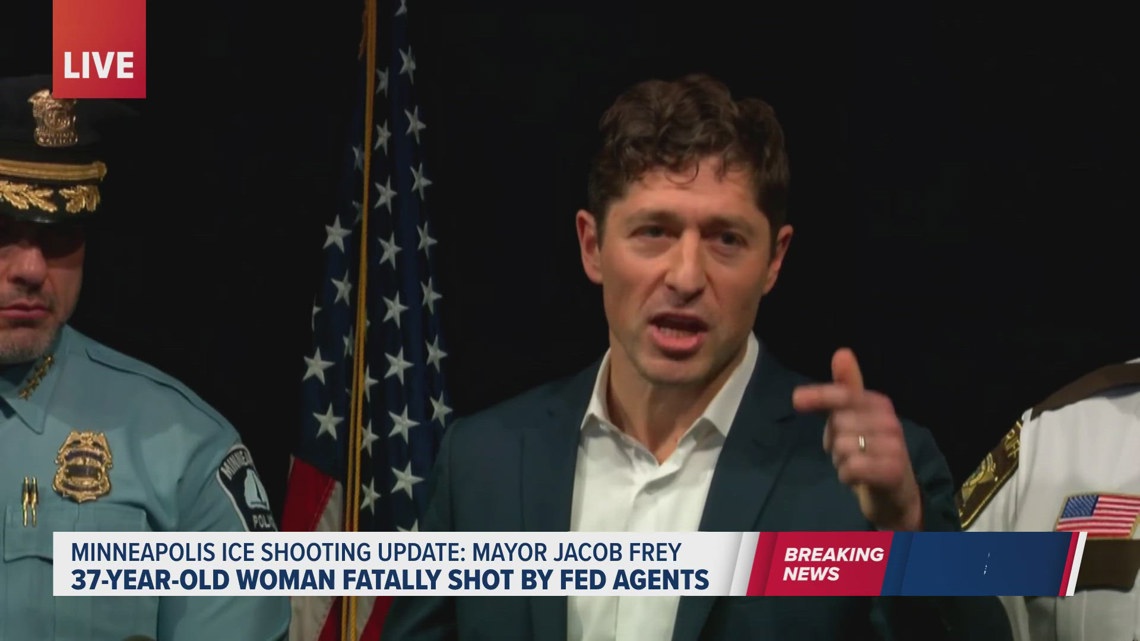
Minneapolis Mayor Jacob Frey did not mince words. Within hours, he publicly condemned ICE’s presence in the city and laid responsibility squarely at their feet. His message was raw, profane, and emotional, reflecting the mood of a city that has seen too many deadly encounters between armed authorities and civilians. “Somebody is dead,” he said. “That’s on you.” The statement stunned Washington and ensured the incident would not quietly fade away.
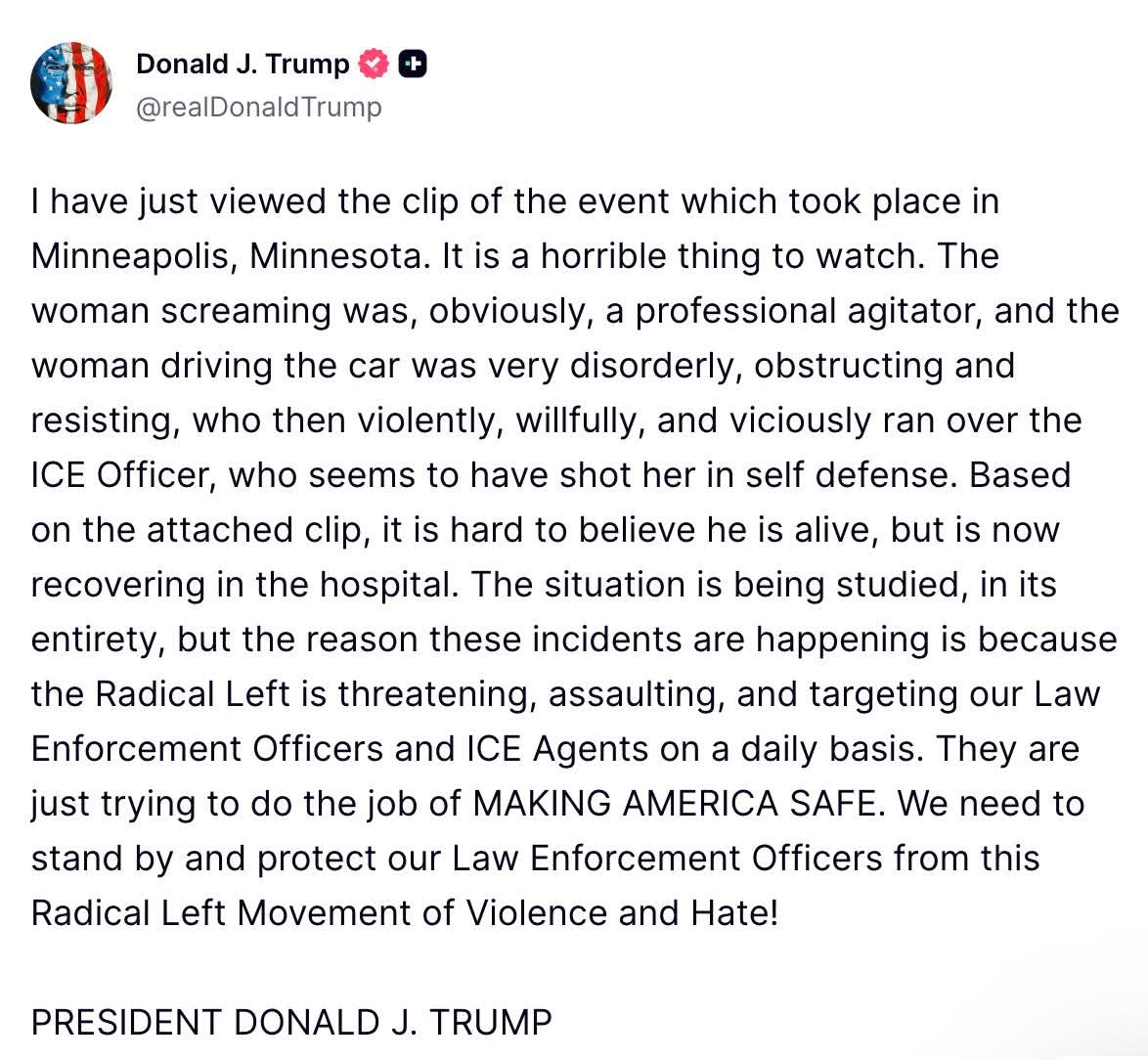
Then came President Donald Trump’s response — and it detonated the situation nationally.
Rather than expressing caution or acknowledging uncertainty, Trump immediately defended the ICE agent involved. He framed the shooting as a direct consequence of political opposition to law enforcement, writing that “the reason these incidents are happening is because the Radical Left is threatening, assaulting, and targeting our Law Enforcement Officers and ICE Agents on a daily basis.” In Trump’s telling, blame did not rest with the shooter, but with activists, Democrats, and critics of ICE.
He went further, suggesting the agent acted heroically and deserved support, even praise.
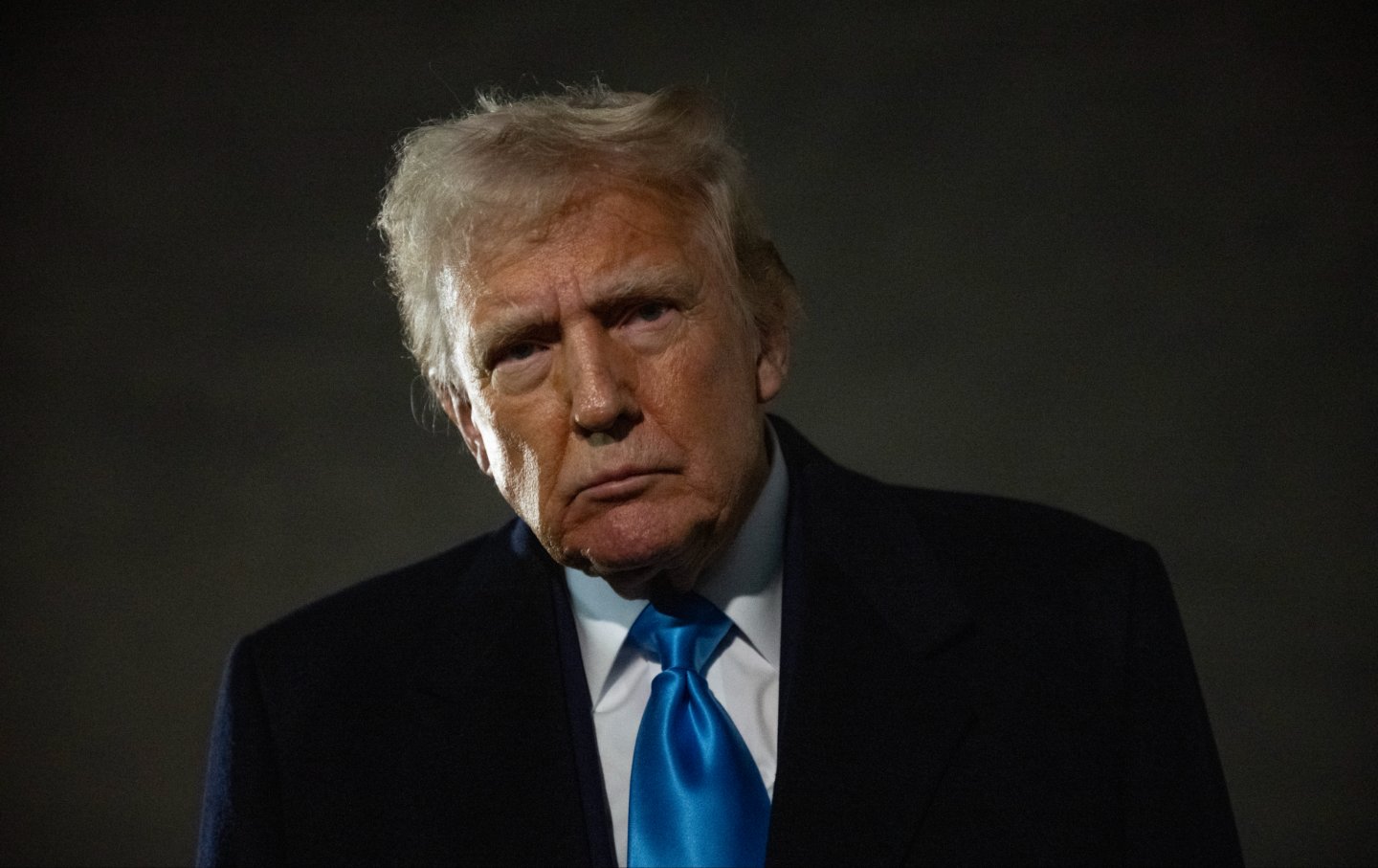
To critics, the response was staggering. Before investigations had concluded, before all evidence was reviewed, the president appeared to absolve the agent entirely — and to place responsibility for a woman’s death on political opponents.
Civil rights groups, local officials, and ordinary Americans described Trump’s statement as one of the most inflammatory reactions of his presidency, accusing him of weaponizing tragedy to score political points.
As the political storm intensified, attention returned to Renee Nicole Good herself — the human being behind the headlines. Family members identified her as a U.S. citizen, a daughter, and a woman with a life that extended far beyond that final, fatal moment.
Those who knew her rejected claims that she posed a deadly threat, saying she was not known for violence and was not some faceless aggressor. To them, the idea that she deserved to die — or that her death was inevitable — felt like a cruel rewriting of reality.
Meanwhile, new video angles continued to surface. Slowed down, replayed, and dissected frame by frame, they became central to the national debate. Supporters of ICE insisted the footage did not capture the full danger agents faced. Opponents argued the videos showed excessive force and a rush to lethal action.
The gap between official statements and what many viewers believed they were seeing widened by the hour.
Law enforcement agencies announced investigations, but for many Americans, the damage was already done.

Trust eroded. Protests erupted. The Minnesota National Guard was placed on standby as officials braced for unrest. The shooting of Renee Nicole Good was no longer just a local tragedy — it had become a flashpoint in a country already stretched to its breaking point.
At its core, this incident exposed a brutal reality: when heavily armed federal agents operate in civilian spaces, mistakes, fear, and misjudgment can turn deadly in seconds. And when political leaders rush to defend power instead of questioning it, accountability feels impossibly distant.
As night fell over Minneapolis, candles were lit and voices rose in anger and sorrow.
A woman was dead. A family was shattered. And the nation was left asking the same haunting question it has asked too many times before — did this have to happen, and will anyone be held responsible?
For now, the only certainty is this: the name Renee Nicole Good will not fade quietly. Her death has carved itself into the country’s conscience, and the fight over what truly happened in Minneapolis is far from over.

A Minneapolis native who visited the protest site near the ICE shooting just gave one of the most clear-eyed, unsettling accounts of what’s actually happening on the ground — and why she believes this tragedy was entirely preventable

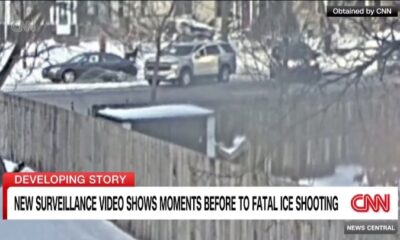
New Video Shows Front of Good’s Vehicle — Undercuts ICE Self-Defense Claim

Taylor Swift BREAKS DOWN in Tears After Watching the News With Fiancé Travis Kelce as VP JD Vance Defends the ICE Agent Who Shot a Woman in Minneapolis, Invokes “Absolute Immunity” — But What Comes Next Is What Has America Holding Its Breath

BREAKING: ICE Agent Shoots and Kills Woman in Broad Daylight in Minneapolis — Reports Say Agents Blocked Doctor and Ambulance as Mayor Explodes, Trump Blames Others, Shocking Video Surfaces, and Identities Are Finally Revealed

Trump SHAKEN as House Democrats Drop Article II, Section 4 Impeachment Bombshell, Forcing Republicans on Record Ahead of the Midterms

Trump REVEALS 2026 Election Cancellation Talk as He BOASTS Democrats Can’t Impeach Him — Then Jack Smith and Others UNLEASH 1,000 Reasons That Expose Trump’s Most Fearful Moment Yet

Experts Flag Shocking Detail in Trump’s Venezuela War Room Photos as Questions About His Health Resurface

BREAKING: Internet Erupts After Explosive Claim That Pam Bondi and Kristi Noem Are “About To Be Tried in The Hague”

WHAT??? Trump Was Just SLAPPED With a $310M Lawsuit in Palm Beach County, Alleging That He Ran a “Trffckng Vntr” That Was “Identical in Every Material Respect” to the One Run by Jeffrey Epstein.

America Bursts Into Laughter After Hilarious Video of Sleepy President Donald Trump Falling From His Seat at Important Full Cabinet Press Conference, Having a Hard Time After Pulling a Raging All-Nighter on Truth Social and Posting Well Over 160 Times in an Hour

JUST IN: Taylor Swift Plans an Elaborate Multi-Day Wedding With a Massive Guest List — Plus, Her Lavish Bachelorette Trip Across 20 Countries Revealed, as Star-Studded Bridal Party Preps Worldwide. Insider Claims She Wants a Full Friday-to-Sunday Wedding Experience “Unlike Anything Ever Done”… But Fans Are Split After Reports She’ll Send Invitations to the First 200 Fans — With a Condition That Feels Like Classic Taylor Marketing
