
NEWS
Experts Flag Shocking Detail in Trump’s Venezuela War Room Photos as Questions About His Health Resurface

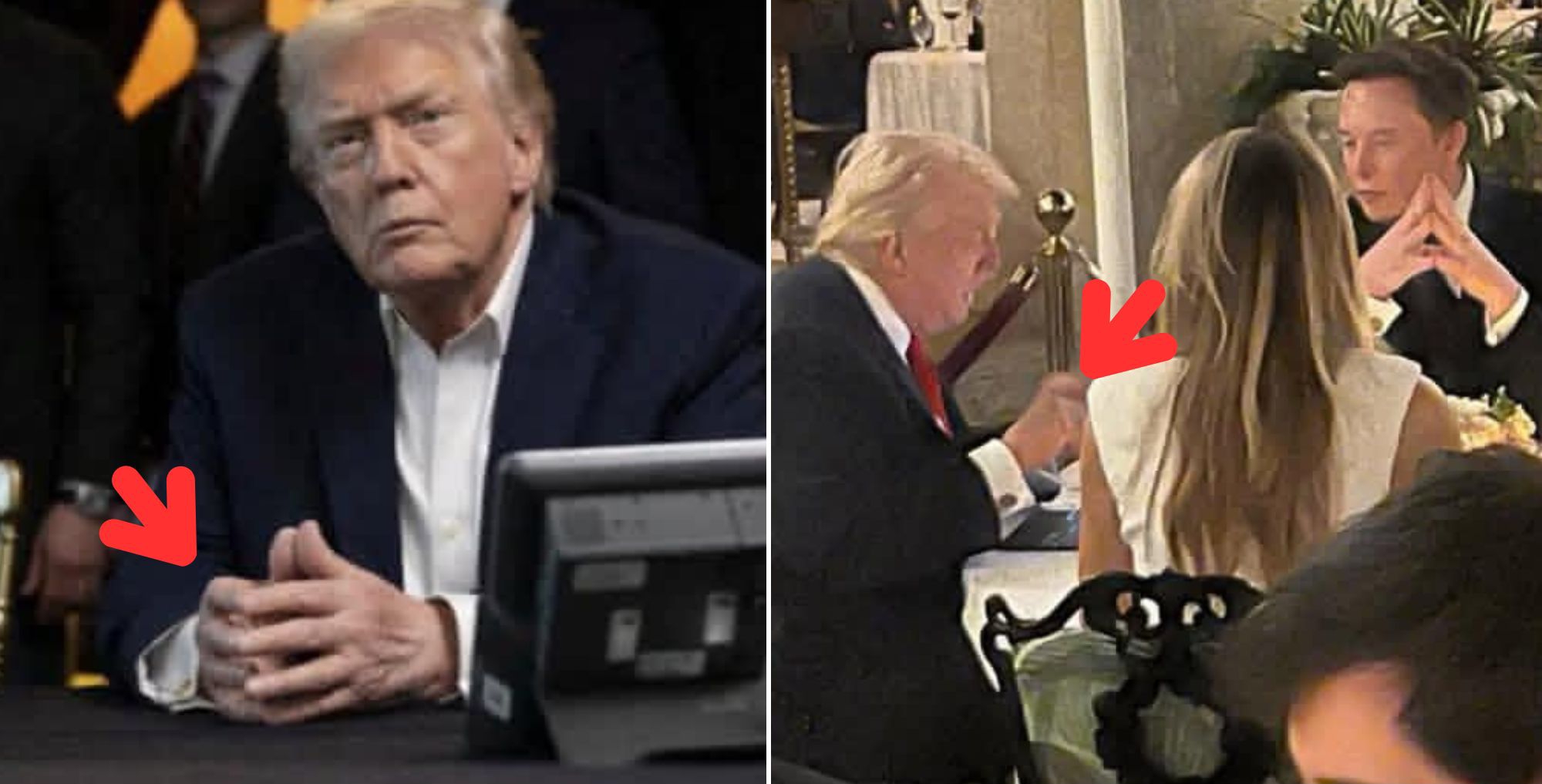
Questions about Donald Trump’s health have resurfaced after a striking detail caught the attention of online observers and commentators examining recently shared Venezuela War Room photographs. While the images were meant to project authority and command, critics say a single visual element has instead shifted the conversation in an unexpected direction.
The focus of the discussion is the appearance of Trump’s right hand and fingers, which some viewers say look noticeably darker than the surrounding skin. Screenshots of the photos quickly circulated online, with users zooming in on the hand and comparing it to earlier public appearances. For many, the contrast stood out enough to spark concern and curiosity rather than dismissal.
What has fueled the debate further is that critics claim the same discoloration appeared again in images from a separate public moment, leading some to argue that the issue may not be the result of lighting, shadows, or camera quality.
To those following the discussion closely, the repetition made the detail harder to ignore and easier to question.
Medical professionals and health commentators weighing in online were careful not to diagnose, but some explained that visible changes in hand coloration can sometimes be linked to circulation issues, medication effects, or temporary physiological responses. Others urged caution, noting that photographs can be misleading and that image compression, lighting angles, and post-processing can dramatically alter skin tone.
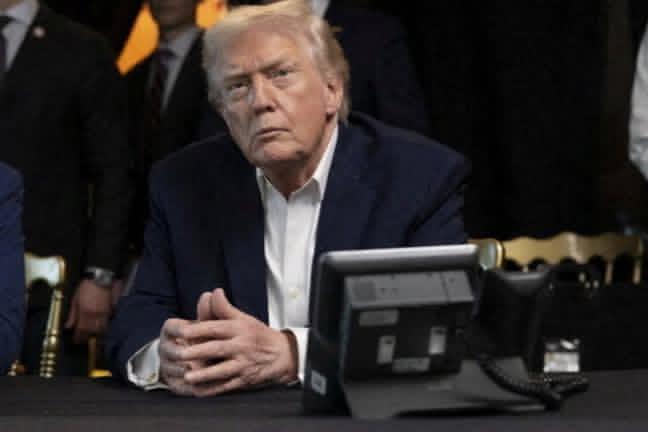
Despite those cautions, the conversation gained emotional weight after one widely shared comment struck a nerve. A critic responding to the images wrote, “I know that look. This is real — like a photo of my mother’s fingers. She died soon after.” While purely anecdotal, the statement intensified reactions and pushed the discussion beyond technical analysis into personal fear and speculation.
Supporters of Trump quickly pushed back, accusing critics of exaggeration and political bias. They argued that similar claims about Trump’s health have surfaced repeatedly over the years, often driven more by opposition narratives than by medical fact.
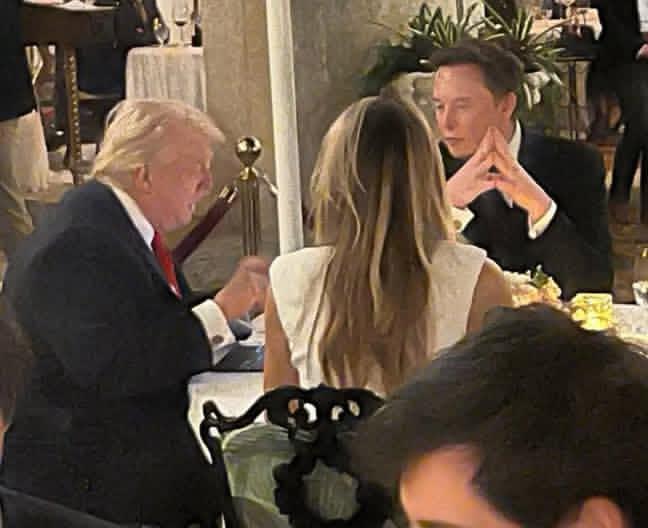
Some pointed out that Trump has remained publicly active, energetic in speeches, and engaged in appearances that suggest no immediate cause for alarm.
Still, the episode highlights how visual details can dominate modern political discourse, especially in an era where images are dissected frame by frame on social media. A single photograph can generate thousands of interpretations, each shaped by prior beliefs, political alignment, and emotional response.
Health questions surrounding high-profile leaders have long attracted intense scrutiny, and Trump is no exception. From his time in office to his continued presence in the political spotlight, even minor details have often been magnified into larger narratives about fitness, transparency, and trust.
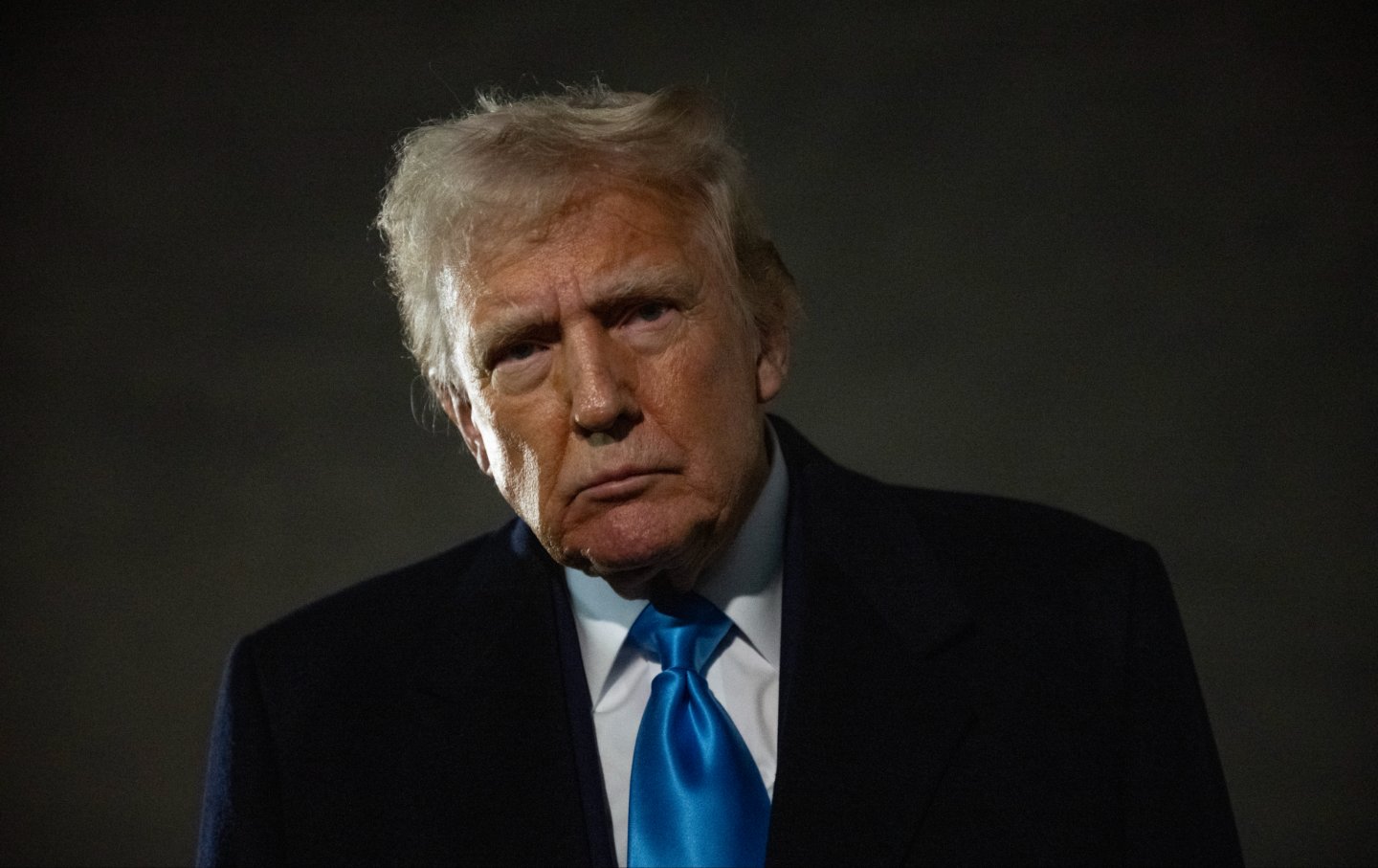
At the center of the current debate is not a confirmed medical issue, but rather the power of perception. The images themselves have not been accompanied by any official statement addressing the claims, leaving the public to fill the gap with speculation, comparison, and interpretation.
Whether the concern fades or grows may depend less on the photos themselves and more on how often the detail reappears — and how strongly online discussion continues to frame it as meaningful. For now, the images have reopened a familiar conversation, reminding observers how quickly questions about health can resurface when visual ambiguity meets political tension.



BREAKING: ICE Agent Shoots and Kills Woman in Broad Daylight in Minneapolis — Reports Say Agents Blocked Doctor and Ambulance as Mayor Explodes, Trump Blames Others, Shocking Video Surfaces, and Identities Are Finally Revealed

Trump SHAKEN as House Democrats Drop Article II, Section 4 Impeachment Bombshell, Forcing Republicans on Record Ahead of the Midterms

Trump REVEALS 2026 Election Cancellation Talk as He BOASTS Democrats Can’t Impeach Him — Then Jack Smith and Others UNLEASH 1,000 Reasons That Expose Trump’s Most Fearful Moment Yet

Experts Flag Shocking Detail in Trump’s Venezuela War Room Photos as Questions About His Health Resurface

BREAKING: Internet Erupts After Explosive Claim That Pam Bondi and Kristi Noem Are “About To Be Tried in The Hague”

WHAT??? Trump Was Just SLAPPED With a $310M Lawsuit in Palm Beach County, Alleging That He Ran a “Trffckng Vntr” That Was “Identical in Every Material Respect” to the One Run by Jeffrey Epstein.

America Bursts Into Laughter After Hilarious Video of Sleepy President Donald Trump Falling From His Seat at Important Full Cabinet Press Conference, Having a Hard Time After Pulling a Raging All-Nighter on Truth Social and Posting Well Over 160 Times in an Hour

JUST IN: Taylor Swift Plans an Elaborate Multi-Day Wedding With a Massive Guest List — Plus, Her Lavish Bachelorette Trip Across 20 Countries Revealed, as Star-Studded Bridal Party Preps Worldwide. Insider Claims She Wants a Full Friday-to-Sunday Wedding Experience “Unlike Anything Ever Done”… But Fans Are Split After Reports She’ll Send Invitations to the First 200 Fans — With a Condition That Feels Like Classic Taylor Marketing

Taylor Swift Calls Out Donald Trump’s ICE After Officers Assaulted a Pregnant U.S. Citizen and Threw Her to the Ground, Causing a Miscarriage — and She Didn’t Hold Back, Then Did the Sweetest, Most Comforting Thing for the Grieving Mother Who Lost Her Child

Travis Kelce and Taylor Swift Release Their Highly Anticipated Wedding Invitations, Captivating Fans Worldwide Just Days After Heartbreaking Loss to the Cowboys

BREAKING: Taylor Swift Joins NYC Protesters to Block and Confront 600 ICE Agents Attempting a Massive Chinatown Raid — Stopping What Many Called “Mass Kidnappings” Through Powerful Resistance, Standing Her Ground While Chanting “Stay Out of NYC,” as Viral Photos Capture the Popstar’s Defiant Moment of Protest
